Trolley Payouts Explained: Scalable Global Mass Payment Automation for Digital Platforms
 clairhogan398@gmail.com
Introduction
As digital platforms expand internationally, managing cross-border payments becomes increasingly complex. From tax documentation to compliance checks and multi-currency transfers, businesses must coordinate several moving parts.
Trolley payouts offer a structured approach to automating global payment workflows while maintaining regulatory oversight. This article provides a detailed breakdown of how trolley payouts function, who uses them, and what operational benefits they offer.
What Is Trolley?


4
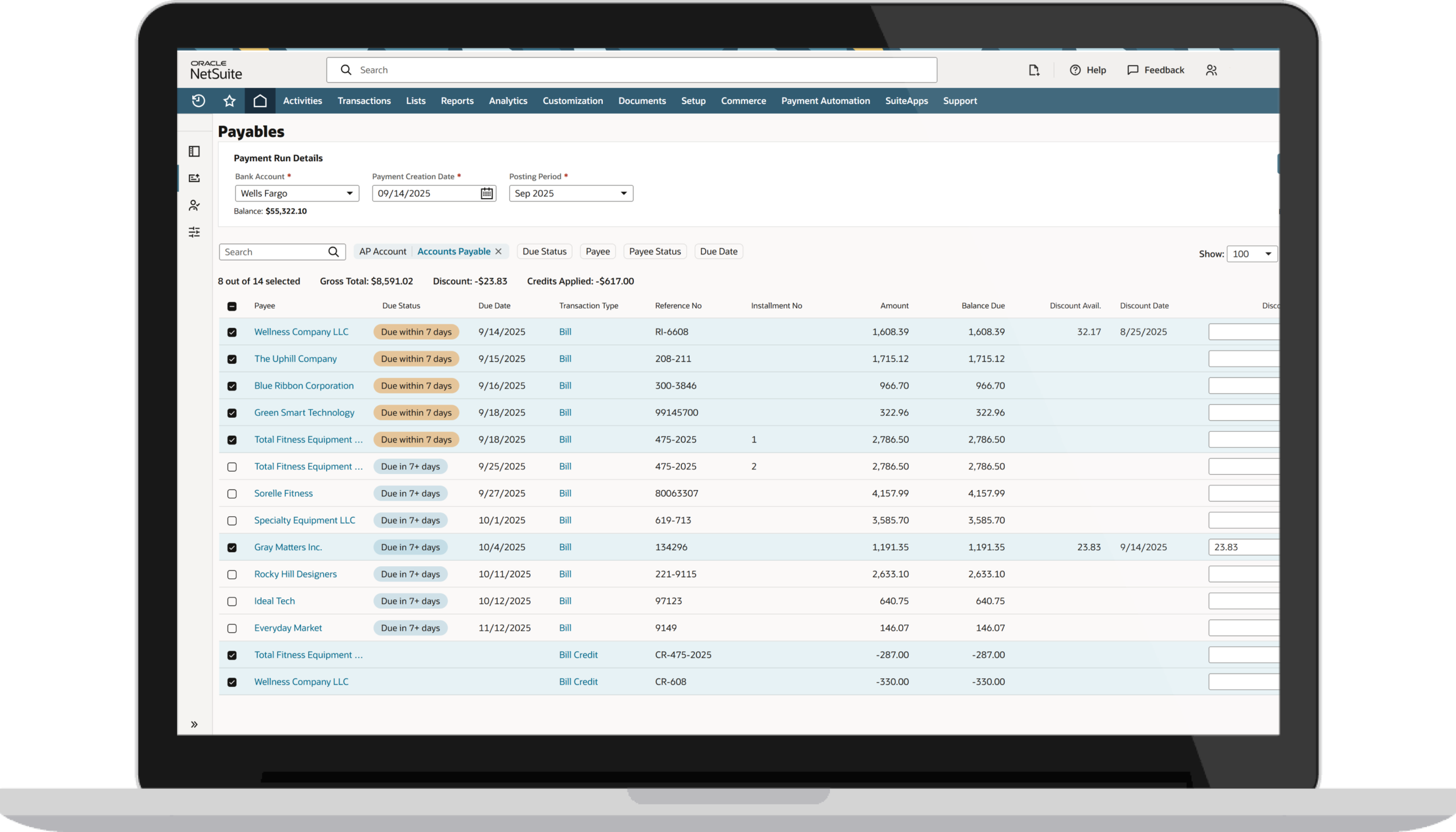
Trolley is a fintech platform specializing in global payout infrastructure. It enables businesses to send payments to contractors, creators, affiliates, and vendors across multiple jurisdictions while integrating compliance and tax workflows.
The trolley payouts model focuses on:
- Mass payment automation
- Global bank transfer coverage
- Regulatory compliance workflows
- Secure onboarding portals
- Multi-currency processing
Core Components of Trolley Payouts
1. Secure Recipient Onboarding
Before payments are issued, recipients typically:
- Complete identity verification
- Submit tax forms (W-9, W-8BEN, etc.)
- Select preferred payout method
- Provide bank or wallet details
This onboarding reduces administrative overhead for finance teams.
2. Payment Execution Layer


4
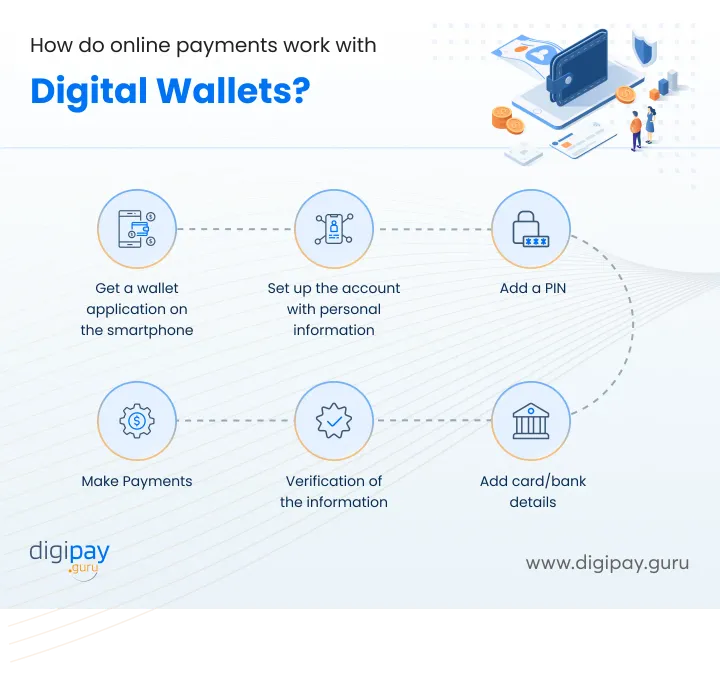
Trolley payouts support multiple payment rails depending on region and configuration:
- ACH transfers (U.S.)
- Local bank transfers (country dependent)
- International wires
- Digital wallets (where available)
- Multi-currency settlement
Processing times vary based on region and payment type.
3. Compliance & Tax Automation
One defining feature of trolley payouts is the integration of compliance workflows directly into the payment lifecycle.
These include:
- Automated tax form validation
- Regulatory reporting support
- Identity verification checks
- AML screening
- Secure document storage
For businesses operating internationally, centralized compliance management reduces risk exposure.
Who Typically Uses Trolley Payouts?
Trolley payouts are commonly implemented by:
Creator & Influencer Platforms
Paying global content creators efficiently.
Affiliate Networks
Distributing commission-based earnings at scale.
SaaS & Digital Marketplaces
Settling vendor or partner balances.
Gig Economy Platforms
Managing contractor payments across borders.
These industries often require automated, recurring payout systems.
Advantages of Implementing Trolley Payouts
Businesses integrating trolley payouts infrastructure may benefit from:
- Reduced manual accounting processes
- Faster onboarding for international recipients
- Consolidated compliance workflows
- Improved reporting visibility
- Scalable payout operations
Automation becomes increasingly valuable as payout volume grows.
API & Platform Integration
Trolley payouts can integrate with:
- Custom marketplaces
- SaaS dashboards
- Financial back-office systems
- Internal accounting tools
API-driven automation enables platforms to trigger payments based on milestones, commissions, or scheduled cycles.
Security Standards
Security plays a central role in payout infrastructure. Trolley payouts systems generally incorporate:
- Encrypted data transmission
- Access control permissions
- Secure storage of sensitive documentation
- Monitoring for suspicious activity
These measures align with modern fintech compliance expectations.
Implementation Considerations
Before adopting trolley payouts infrastructure, businesses should evaluate:
- Volume of recipients
- Geographic distribution
- Tax jurisdiction complexity
- Currency conversion needs
- Integration requirements
A structured rollout plan ensures smooth operational transition.
Frequently Asked Questions
Are trolley payouts suitable for startups?
They may be suitable for scaling startups with international contractors or affiliate networks.
Can payments be scheduled automatically?
Yes, recurring and batch payment functionality is commonly supported.
Does trolley payouts handle tax form storage?
Tax documentation workflows are integrated into the onboarding process.
Are fees fixed?
Fee structures vary based on volume, geography, and payment method.
Final Thoughts
Trolley payouts represent a modern approach to managing global payment operations. By combining payment automation with integrated compliance workflows, the platform supports businesses expanding into international markets.
As digital commerce grows, structured payout automation becomes essential for operational efficiency and regulatory confidence.