Trolley Payouts: Deep Dive Into Global Mass Payment Operations
 clairhogan398@gmail.com
Introduction
As digital ecosystems expand globally, payment complexity increases. Platforms must distribute funds to thousands of recipients across different jurisdictions, currencies, and compliance frameworks.
Trolley payouts represent a structured global payout infrastructure that helps automate these processes while maintaining regulatory oversight and operational control.
This article provides an in-depth explanation of trolley payouts, including architecture, onboarding workflows, compliance integration, and real-world platform use cases.
About the Platform
4
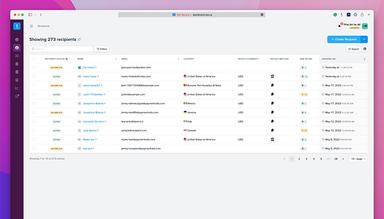
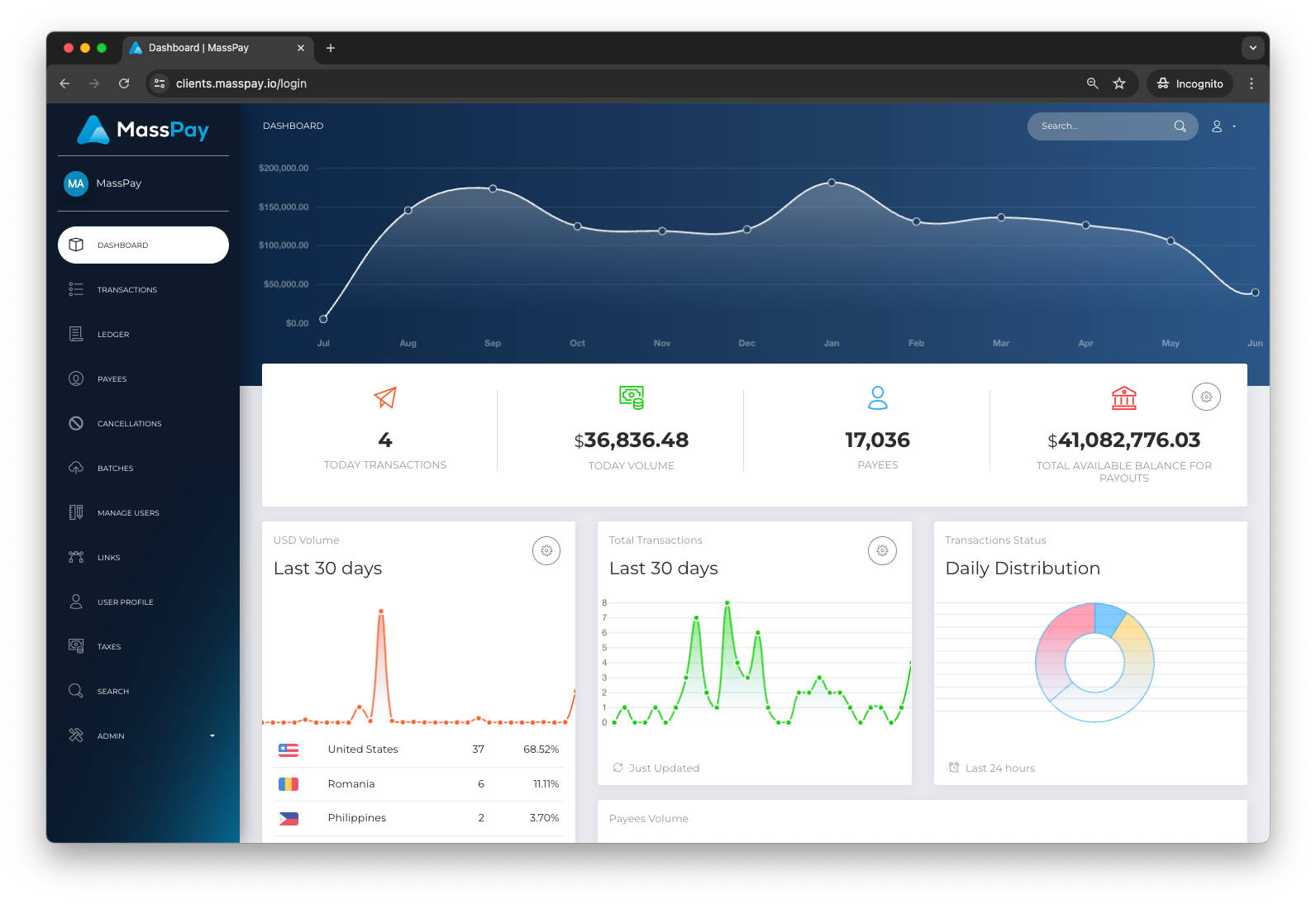
Trolley is a fintech provider focused on mass payment infrastructure for businesses operating across borders. The platform centralizes recipient onboarding, compliance workflows, tax form management, and payment execution into a unified environment.
Rather than relying on fragmented banking processes, trolley payouts streamline financial distribution into an automated system.
Why Platforms Need Structured Payout Infrastructure
Modern businesses often face:
- Large numbers of independent contractors
- Multi-currency obligations
- Cross-border regulatory requirements
- Recurring commission cycles
- Tax documentation handling
Manual payment processes can introduce delays, errors, and compliance risk. Trolley payouts help address these challenges through automation and centralized reporting.
Technical Architecture of Trolley Payouts
1. Recipient Onboarding Module
Recipients typically complete:
- Identity verification (KYC checks)
- Tax documentation submission
- Payment method selection
- Bank or wallet information entry
This self-service structure reduces operational friction and ensures required documentation is captured before funds are released.
2. Payment Rails & Transfer Options

4
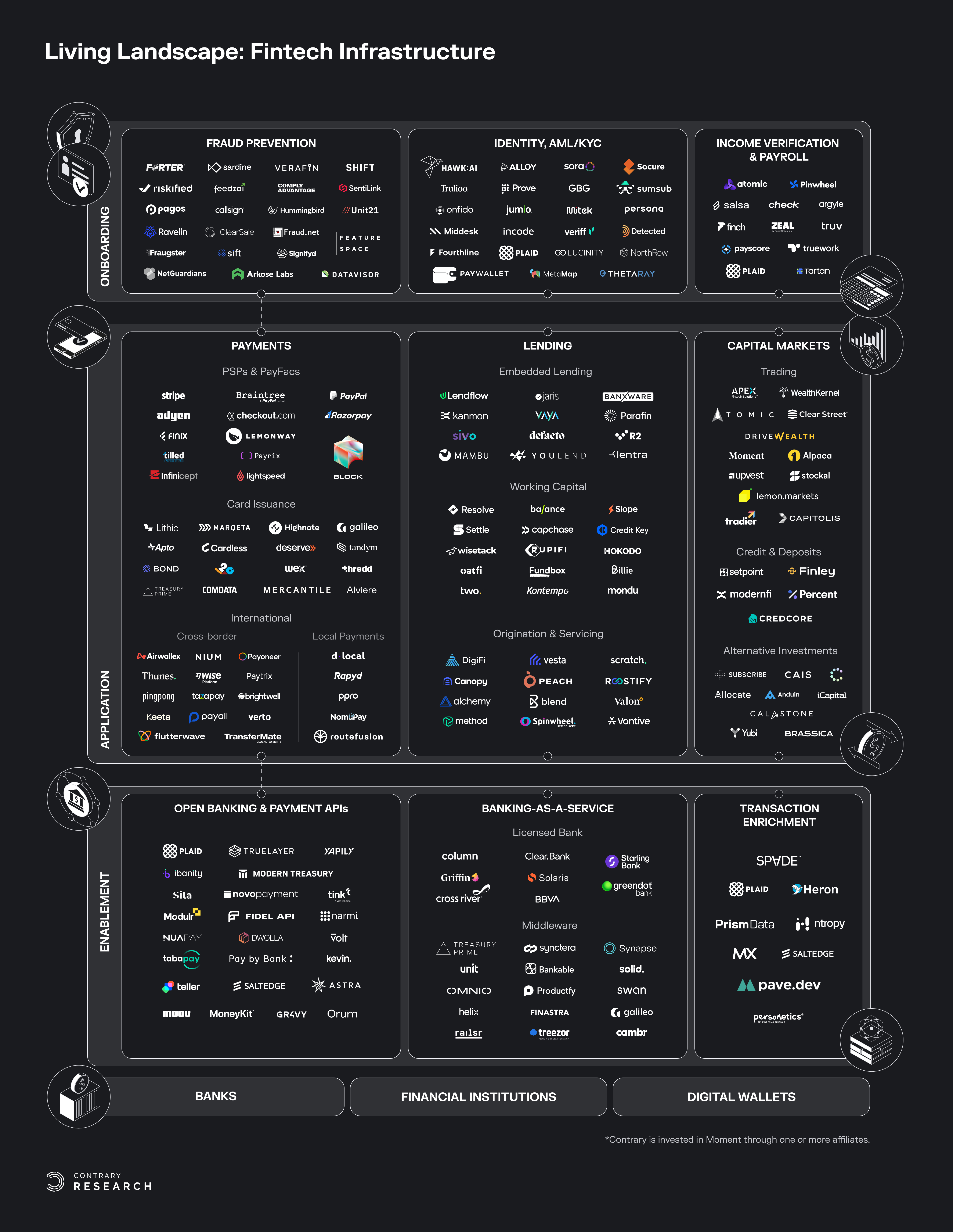
Trolley payouts may utilize several payment mechanisms depending on location and configuration:
- ACH transfers within the United States
- Local bank transfers in supported countries
- International wire transfers
- Multi-currency settlement
- Selected digital payout options
Processing times vary depending on regional banking infrastructure.
3. Compliance & Risk Controls
Integrated compliance systems typically include:
- Automated tax form validation
- AML screening
- Sanctions monitoring
- Secure audit logging
- Regulatory reporting support
This compliance-first design is especially important for marketplaces distributing funds at scale.
Operational Workflow Example
A simplified payout cycle might look like this:
- Platform calculates partner earnings.
- Recipient documentation is validated.
- Batch payment is initiated through API.
- Funds are routed via selected payment rail.
- Confirmation and reporting data are logged.
Automation reduces manual reconciliation and improves reporting consistency.
Use Cases Across Industries
Creator Economy
Platforms pay influencers and digital creators globally.
Affiliate Marketing Networks
Commission payouts are automated at scale.
SaaS Referral Programs
Partners receive structured recurring payments.
Online Marketplaces
Vendor settlements occur in multiple currencies.
These use cases require repeatable, secure payout workflows.
Key Benefits of Trolley Payouts
Businesses may experience:
- Reduced administrative workload
- Improved compliance consistency
- Faster international expansion
- Centralized payment visibility
- Scalable batch processing
As payout volumes increase, automation becomes increasingly valuable.
Integration Capabilities
Trolley payouts can integrate with:
- Custom-built platforms via API
- Accounting software systems
- ERP solutions
- Internal finance dashboards
API-based automation enables payment triggers tied to performance metrics or predefined schedules.
Security Considerations
Payment infrastructure typically incorporates:
- Encrypted data transmission
- Role-based system permissions
- Secure document storage
- Monitoring systems for suspicious activity
Financial data protection is critical when handling cross-border transfers.
Implementation Considerations
Before adopting trolley payouts infrastructure, businesses should evaluate:
- Geographic coverage requirements
- Monthly payout volume
- Regulatory reporting obligations
- Currency conversion needs
- Internal technical resources for integration
A phased rollout strategy can help ensure a smooth operational transition.
Frequently Asked Questions
Can trolley payouts support recurring commissions?
Automated batch and recurring transfers are generally supported.
Are tax forms managed within the platform?
Yes, tax documentation workflows are typically integrated into onboarding.
Is global coverage available?
Coverage depends on supported regions and payment rails.
Is API integration required?
API integration enhances automation but may not be mandatory in all use cases.
Conclusion
Trolley payouts offer a structured, compliance-oriented approach to global mass payment automation. By combining onboarding workflows, regulatory controls, and multi-currency payment execution into a unified system, the platform supports businesses scaling across borders.
As digital platforms continue expanding internationally, automated payout infrastructure becomes essential for operational efficiency and regulatory alignment.