Trolley Payouts: Advanced Guide to Global Mass Payment Infrastructure
 clairhogan398@gmail.com
Introduction
Managing global payments at scale is no longer optional for digital platforms. Marketplaces, SaaS companies, creator ecosystems, and affiliate networks must process payments across jurisdictions while maintaining tax compliance, identity verification, and financial transparency.
Trolley payouts represent a structured payment orchestration model that integrates onboarding, compliance automation, and multi-currency disbursement into a unified infrastructure.
This guide explores the system architecture, operational model, security standards, and scalability benefits associated with trolley payouts.
Company Profile


4
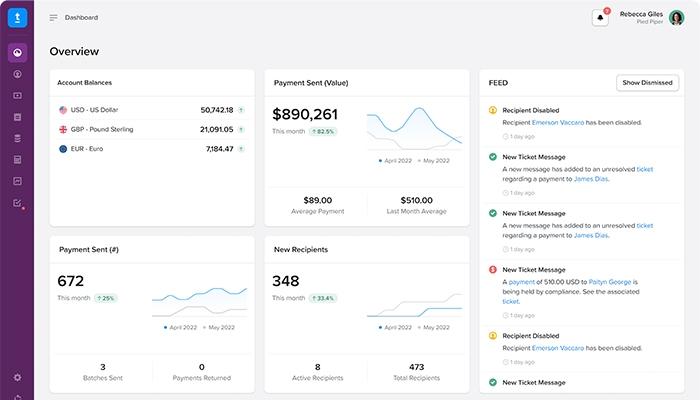
Trolley provides a global payout management platform tailored for digital-first businesses. Instead of relying on fragmented banking tools, companies centralize payout operations within an automated framework.
The system typically supports:
- Global recipient onboarding
- Identity verification (KYC)
- Tax form collection & validation
- Multi-currency payments
- Compliance monitoring
- Reporting dashboards
Strategic Role of Trolley Payouts in Platform Economies
Modern digital ecosystems often include:
- Independent contractors
- Affiliate partners
- Influencers and creators
- Vendors and suppliers
- Referral partners
As these networks expand geographically, payout complexity increases. Trolley payouts aim to streamline this complexity into standardized workflows.
Core Functional Layers
1. Onboarding & Documentation Workflow
Recipients complete onboarding via a secure portal where they:
- Submit required identification
- Provide tax documentation (e.g., W-8, W-9 forms)
- Select preferred payout method
- Enter transfer details
Automated validation ensures required fields are completed before payments are processed.
2. Payment Rail Infrastructure


4
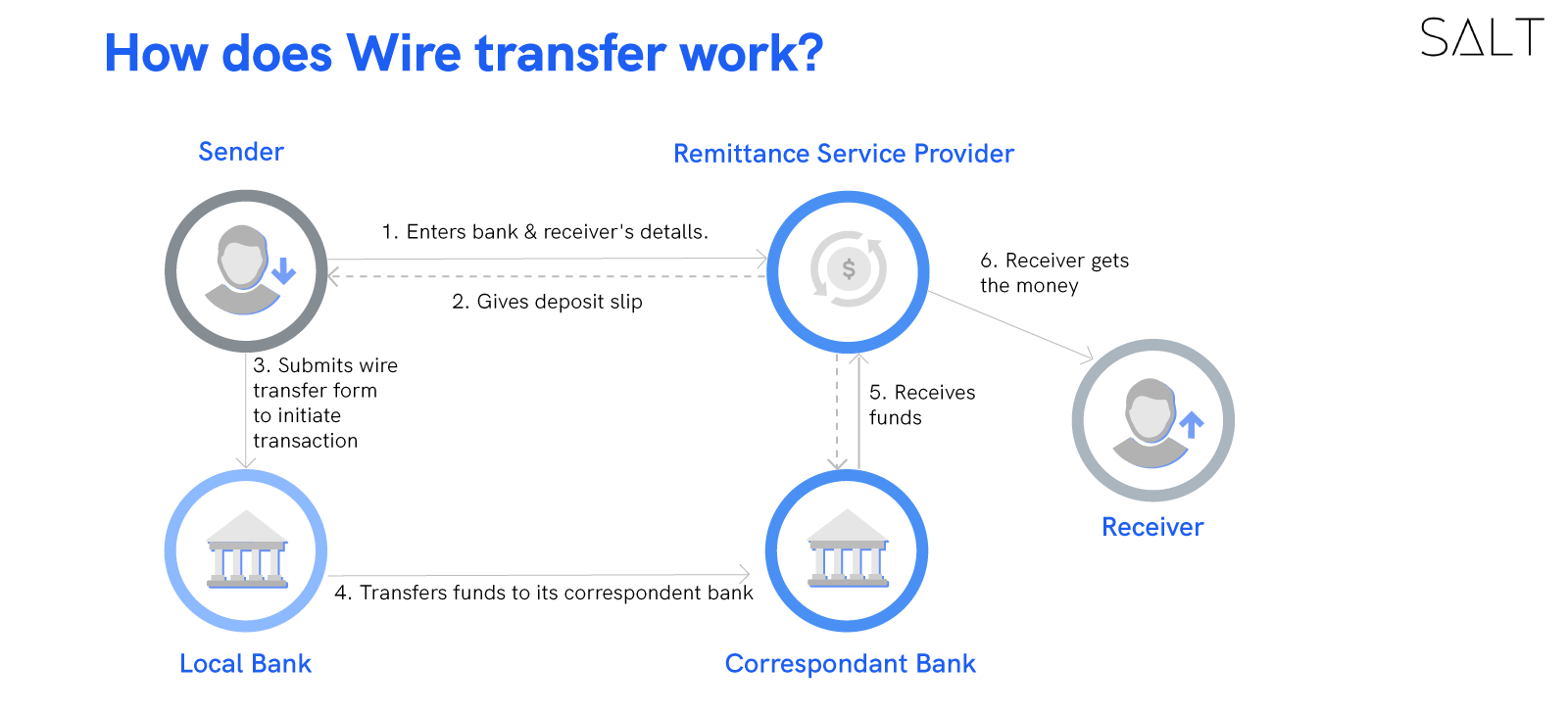
Trolley payouts leverage multiple payment channels depending on jurisdiction and configuration:
- ACH transfers (U.S.)
- Local bank transfers (region dependent)
- International wire transfers
- Multi-currency settlements
- Selected digital payout solutions
Transfer timelines depend on local banking networks and currency corridors.
3. Compliance & Risk Management
Compliance automation is embedded directly into payout workflows.
Common components include:
- Tax form validation
- AML screening
- Sanctions monitoring
- Secure audit logs
- Reporting support for regulatory frameworks
Embedding compliance within payment execution helps reduce operational exposure.
Payment Lifecycle Overview
A standard payout process may follow these steps:
- Earnings calculation within platform.
- Documentation verification.
- Batch payment generation.
- Fund routing via selected payment rails.
- Confirmation logging and reconciliation reporting.
Automation improves consistency and scalability.
Industry Use Cases
Creator Platforms
Recurring earnings distribution to global content creators.
Affiliate Marketing Systems
Commission disbursement at scale.
SaaS Partner Programs
Performance-based partner payouts.
Online Marketplaces
Vendor settlements across multiple currencies.
These environments benefit from standardized payout infrastructure.
Advantages of Implementing Trolley Payouts
Organizations may gain:
- Reduced manual payout errors
- Centralized compliance workflows
- Faster international onboarding
- Enhanced financial transparency
- Scalable global payment capacity
As platform transaction volume increases, automation reduces operational strain.
Integration Capabilities
Trolley payouts typically integrate with:
- Custom-built platforms via API
- ERP systems
- Accounting tools
- Financial dashboards
API-based triggers allow payouts based on scheduled intervals or performance thresholds.
Security Architecture
Modern payout platforms emphasize:
- Encrypted data transmission
- Role-based access control
- Secure storage of tax documentation
- Ongoing transaction monitoring
These safeguards are essential for managing cross-border financial data.
Implementation Planning
Before deploying trolley payouts infrastructure, organizations should assess:
- Geographic distribution of recipients
- Currency exposure and FX considerations
- Compliance obligations
- Monthly transaction volume
- Technical integration readiness
A structured rollout strategy often ensures smoother adoption.
Frequently Asked Questions
Are trolley payouts suitable for mid-sized companies?
Yes, particularly for businesses managing international partner networks.
Can recurring payments be automated?
Batch and scheduled transfers are generally supported.
Does the system handle tax documentation storage?
Tax documentation workflows are integrated within onboarding modules.
Is global coverage comprehensive?
Coverage depends on supported payment rails and regional configuration.
Conclusion
Trolley payouts provide a structured framework for automating global mass payments while integrating compliance and reporting workflows. By combining onboarding automation, tax documentation management, multi-currency routing, and API-driven execution, the system supports digital platforms scaling internationally.
As global commerce continues to evolve, centralized payout automation becomes increasingly essential for operational efficiency and regulatory consistency.