Trolley Payouts: A Complete Guide to Modern Global Payment Infrastructure
 clairhogan398@gmail.com
Introduction
In today’s digital economy, companies operating marketplaces, affiliate networks, creator platforms, and SaaS ecosystems require scalable, compliant, and global payment solutions. Trolley payouts have emerged as a structured approach to managing international mass payments while maintaining regulatory compliance and operational efficiency.
This guide explains what trolley payouts are, how the system works, key features, supported payment methods, compliance tools, and why businesses increasingly rely on automated payout infrastructure.
What Are Trolley Payouts?

4
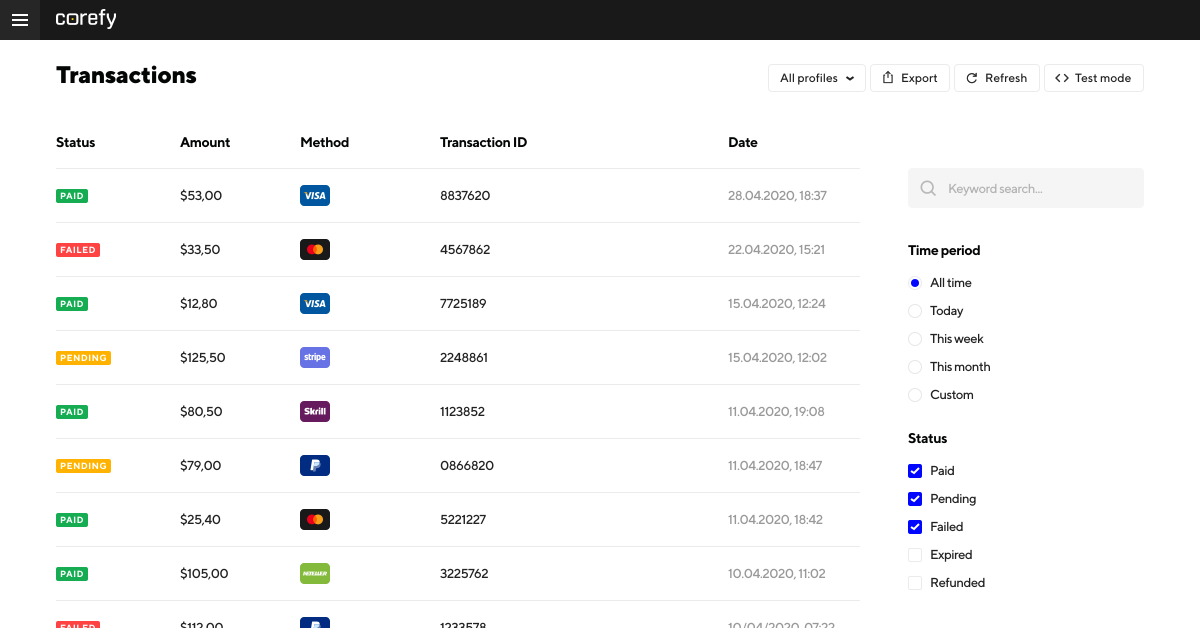
Trolley provides a global payout platform designed to help businesses send payments to contractors, creators, affiliates, and suppliers worldwide.
Trolley payouts typically include:
- Mass payment automation
- Multi-currency support
- Tax form collection (W-8, W-9, etc.)
- Identity verification (KYC)
- AML screening
- Local and international transfer options
The platform is commonly used by:
- Affiliate networks
- Influencer and creator platforms
- Online marketplaces
- SaaS companies
- Gig economy services
How Trolley Payouts Work
1. Recipient Onboarding
Businesses invite recipients to onboard through a secure portal where they:
- Submit tax documentation
- Complete identity verification
- Choose preferred payout method
- Provide banking or wallet details
Automation reduces manual paperwork and improves compliance tracking.
2. Payment Processing
After approval, companies can initiate:
- Scheduled mass payouts
- One-time payments
- Recurring transfers
Funds are processed through supported payment rails depending on geography and selected method.
3. Compliance & Reporting
Trolley payouts emphasize compliance workflows, including:
- Tax document collection
- Automated validation
- Regulatory reporting tools
- Audit trail maintenance
This structure is important for businesses operating across multiple jurisdictions.
Supported Payment Methods


4
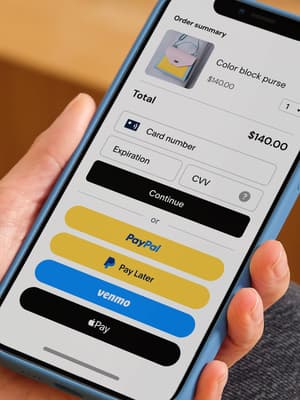
Trolley payouts typically support multiple transfer mechanisms:
- ACH transfers (U.S.)
- Local bank transfers (varies by country)
- International wire transfers
- Digital wallet options (in supported regions)
- Multi-currency settlement
Payment availability depends on:
- Country of recipient
- Currency
- Regulatory restrictions
- Business account configuration
Key Features of Trolley Payouts
Global Coverage
Supports payments in numerous countries and currencies, helping platforms scale internationally.
Tax Automation
Integrated tax form workflows reduce manual handling of:
- W-9 forms
- W-8BEN forms
- 1099 reporting requirements
Risk Management
Includes:
- KYC identity verification
- AML screening
- Fraud monitoring
API Integration
Trolley payouts can integrate into platforms via API, allowing automated payout scheduling within marketplaces or SaaS dashboards.
Security and Compliance Framework
Trolley payouts infrastructure is built around:
- Encrypted data transmission
- Role-based access control
- Regulatory reporting support
- Secure document storage
For businesses operating in regulated environments, these features help reduce operational risk.
Use Cases for Trolley Payouts
Trolley payouts are commonly used in:
- Creator Economy Platforms
Paying influencers and content creators globally. - Affiliate Networks
Distributing commissions at scale. - Gig Platforms
Paying freelancers and contractors internationally. - Marketplaces
Vendor settlement across multiple currencies.
Benefits for Businesses
Companies implementing trolley payouts solutions often experience:
- Reduced manual payout errors
- Faster onboarding of global recipients
- Improved compliance workflows
- Lower operational overhead
- Centralized reporting
Automation also reduces administrative workload for finance teams.
Considerations Before Implementation
Before using trolley payouts infrastructure, businesses should evaluate:
- Geographic payout requirements
- Volume of recipients
- Tax reporting obligations
- API integration capabilities
- Fee structure
A structured internal assessment helps ensure alignment with operational goals.
Frequently Asked Questions (FAQ)
Is Trolley payouts suitable for small businesses?
It can be suitable depending on payout volume and global expansion needs. Many platforms adopt it as they scale.
Does Trolley handle tax documentation?
Yes, tax documentation workflows are integrated into onboarding.
Are payments instant?
Processing times vary depending on payment rail and region.
Can businesses automate recurring payments?
Yes, recurring and batch payouts are supported through platform tools or API integrations.
Conclusion
Trolley payouts represent a modern solution for businesses that require scalable, compliant, and automated global payment infrastructure. With integrated tax documentation workflows, identity verification tools, and multi-currency capabilities, the system is well suited for digital platforms operating across borders.
For companies managing contractors, creators, affiliates, or vendors worldwide, adopting structured payout automation helps reduce compliance risk and operational complexity while supporting global growth.